Searching for kids martial arts Las Vegas parents can trust often starts with a simple wish: you want your child to feel more capable. Maybe they hang back around unfamiliar adults, struggle to follow directions, or need a healthy place to put their energy. You are not shopping for a perfect child, and a good academy should not expect one.
The harder question is whether a program can become part of ordinary family life. A beautiful website does not tell you how an instructor responds when a child loses focus, or whether the trip home leaves enough time for dinner. Those details deserve as much attention as the activity itself.
CORE Fitness & Martial Arts is in Henderson, at 183 N Gibson Rd Ste 130, Henderson, NV 89014. For Las Vegas parents, that means looking beyond a city name and deciding whether the actual route and teaching environment make sense together. A manageable drive can be worthwhile when the program fits, but no academy is worth a routine your family cannot sustain.
Start with your child's age, one practical goal, and a willingness to observe. This guide explains what CORE offers, what parents can look for during an introduction, and how to make the decision without expecting instant results.
Match the program to your child's age
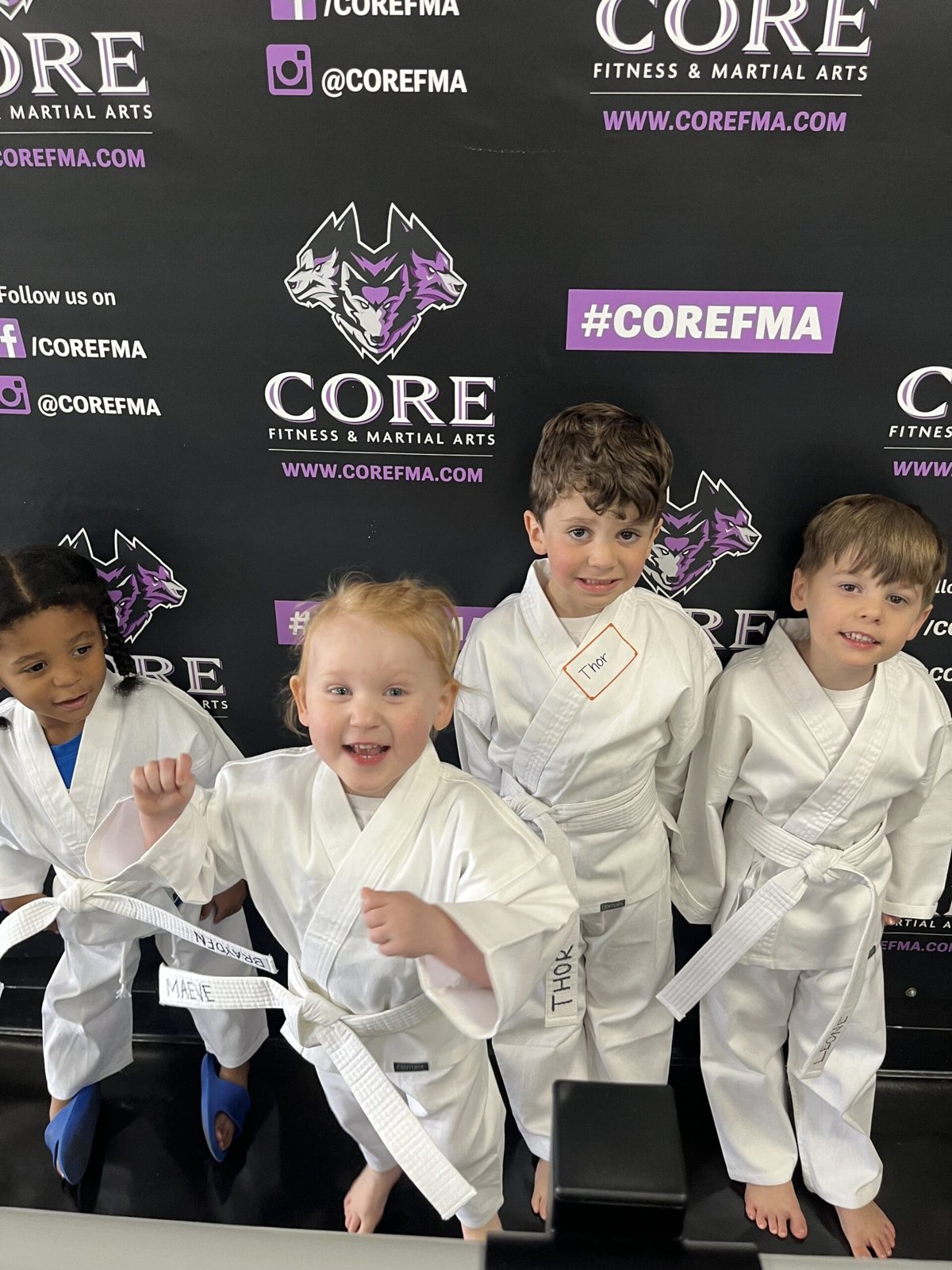
At CORE, preschoolers ages 3 to 5 start with Wolf Pups. The program uses short, playful activities to practice listening, balance, coordination, and confidence. That is a different starting point from expecting a young child to memorize a long sequence or remain still through complicated instruction.
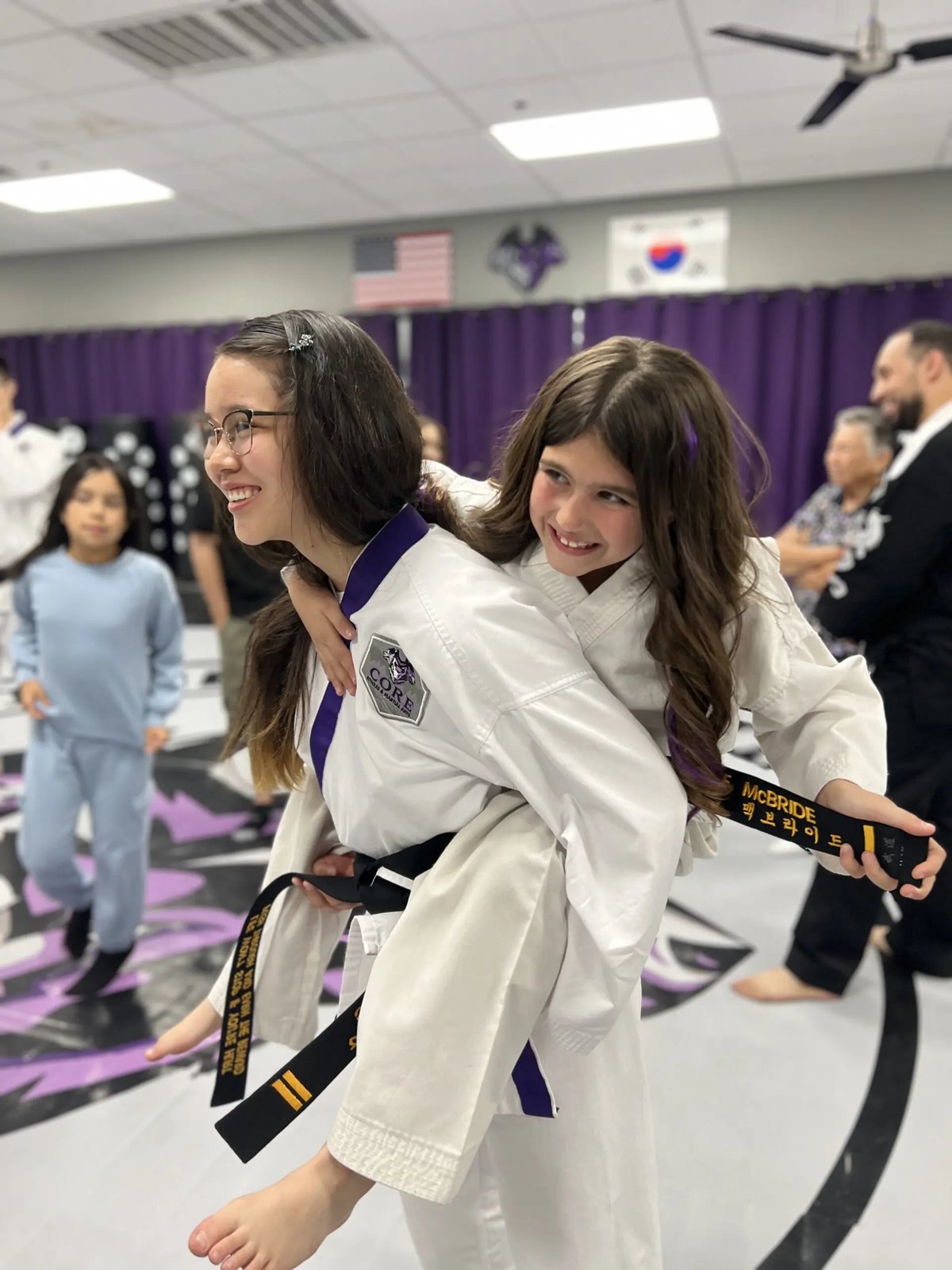
For ages 6 and up, children train in the Family Program alongside teens and adults. CORE does not describe a separate kids class for this age group. Knowing that before you visit helps you ask the right questions about how instruction works across ages and how your child will participate.
The Warrior Program is for ages 13 and up, with fitness, pad work, sparring, and self-defense. A teenager's interests and readiness matter when discussing the options with the team. Do not choose only by whichever program name sounds most exciting.
- Ages 3 to 5: ask about Wolf Pups and its playful learning approach.
- Ages 6 and up: ask how the Family Program supports a new child.
- Ages 13 and up: discuss whether Family or Warrior better matches current goals.
Before your visit, tell the academy about previous group experiences and any support your child may need. Useful information includes whether they need extra time with transitions or feel nervous around unfamiliar people. An honest conversation is more helpful than trying to present your child as already confident, focused, and ready for everything.
Look for patient teaching, not perfect behavior
The first visit is a chance to watch adults as much as children. Notice whether instructions are clear, whether students have room to ask questions, and how a coach handles a missed direction. A child who needs a second explanation is learning, not failing an entrance test.
Wolf Pups describes encouragement without yelling or shaming, age-appropriate drills, and a padded training floor. During your introduction, look for those ideas in action. Does a coach break a movement into manageable steps, and does the child understand what to try next?
Confidence can be quiet. A child who joins the line after watching, asks for help, or attempts a new stance may be taking a meaningful step. It is reasonable to value those moments more than a loud answer or a polished performance on the first day.
- Watch how coaches redirect wandering attention.
- Listen for feedback that tells a student what to do next.
- Notice whether effort receives attention alongside successful technique.
- Ask how the team helps a child return after a difficult class.
At home, keep your questions small and specific. Instead of asking whether your child was the best, ask what they tried and what felt unfamiliar. This keeps martial arts connected to learning rather than comparison, and it gives you better information about whether the teaching style feels supportive over time.
Decide whether the Henderson drive works in real life
Las Vegas and Henderson are neighboring cities, but the trip to N Gibson Road depends on where you begin. I-215 and I-515, also known as US-95, are familiar regional routes for families traveling toward Henderson. Your own route, traffic conditions, and starting point matter more than any generic promise of a short commute.
Test the trip around the time you would actually leave for class. Include school pickup, a snack, parking, and the journey home, rather than looking only at a map's best estimate. Ask the academy for current class options before deciding which part of the week could work.
A slightly longer trip may be worthwhile if your child feels understood and the instruction fits their age. It may not be worthwhile if it regularly pushes dinner late or creates tension before you arrive. Either conclusion is useful, and neither says anything about your commitment as a parent.
- Check the route from your normal weekday starting point.
- Leave room for water, a snack, and an unhurried arrival.
- Decide who handles transportation if a workday changes.
- Protect sleep and homework instead of treating them as flexible leftovers.
Use the introduction to test the whole routine, not just the class. Notice how everyone feels afterward and whether the plan still seems reasonable on an ordinary busy day. Consistency becomes easier when travel is something your household has considered honestly, rather than something you hope will somehow work out.
Set goals you can actually observe
Parents often mention focus, confidence, and discipline when they consider martial arts. Those are useful hopes, but broad labels can hide small changes. Choose a behavior you can recognize, such as joining an activity without a long negotiation or listening through one direction before starting.
The Wolf Pups material emphasizes visible little goals and celebrating effort. That makes sense for beginners, because a manageable next step gives a child something concrete to practice. At home, you can support the same idea without turning the kitchen into another classroom.
For example, you might ask your child to show one thing they remember, then thank them for sharing. Avoid correcting every detail or demanding a demonstration for visitors. A child can enjoy learning without being ready to perform on request, especially after a long school day.
- Pick one goal for the introduction, not a list of personality changes.
- Ask coaches what progress might look like for a beginner.
- Notice willingness to try again after an error.
- Revisit your goal after watching more than one class.
Martial arts can provide practice in listening and persistence, but it is not a promise of better grades or a solution to every behavioral concern. Children develop at different rates and respond differently to group activities. Keep any school or healthcare support your child already needs, and treat training as one part of their wider support system rather than a replacement for it.
Learn from a real parent's experience
In CORE's published reviews, Janelle Z. describes her 3-year-old feeling safe and strong and building confidence through classes. She also says the people at the academy genuinely care. That is one parent's experience, not a prediction for every preschooler, but it points to questions worth asking during your own visit.
What helps your child feel safe enough to try something unfamiliar? Is it knowing where to stand, hearing a calm explanation, or seeing that a mistake does not bring embarrassment? Looking for those details turns a general wish for confidence into a more useful observation.
CORE was founded in 2014. Its co-founders include Master Anthony Pyne, Annie Kang-Drachen, and Dario Drachen, and the academy's published rating is 4.8 stars across 74 Google reviews. Background and feedback help you build a shortlist, but they cannot tell you exactly how your child will feel in class.
- Read reviews for descriptions of teaching, not just enthusiastic adjectives.
- Ask about the instructor who will work with your child's group.
- Observe whether the welcome extends beyond the first greeting.
- Let your own child's response carry weight in the decision.
A useful follow-up question is whether the academy can explain how it supports a hesitant beginner without pressuring them. You are looking for a thoughtful process, not a guarantee that every child becomes outgoing. Feeling comfortable enough to participate can be a valuable outcome even when a child remains naturally quiet.
Use the introduction as a two-way conversation
CORE offers $29 for 2 weeks of classes plus a free T-shirt. Treat that introduction as a chance to experience instruction, ask questions, and learn how the routine feels. It is an entry offer, not a statement of every cost you may encounter if you continue.
Before starting, confirm the class options for your child's age and ask what happens after the introduction. Request current ongoing pricing, any equipment expectations, and enrollment or cancellation terms directly from the academy. Getting these details clearly is sensible planning, not an awkward challenge to the staff.
For Wolf Pups, the published guidance suggests comfortable athletic clothes for the first class and says parents can watch. Ask what to bring for your child's particular program before you leave home. A little preparation can make an unfamiliar room feel less overwhelming.
- Tell the coach if your child is excited, uncertain, or both.
- Arrive with one practical question about participation.
- Ask your child about one enjoyable moment on the way home.
- Make the continuation decision after considering both class and commute.
If your child struggles during an early visit, discuss what happened instead of making a snap judgment. Sometimes a clearer arrival routine helps; sometimes another activity is the better fit. The goal is not to prove that martial arts must work, but to find a welcoming activity your child can realistically keep attending.
Frequently Asked Questions
What age can a child start at CORE?
Wolf Pups is designed for ages 3 to 5. Children ages 6 and up train in the Family Program with teens and adults, and Warrior is available for ages 13 and up. Ask the team which setting fits your child's experience and goals rather than choosing by age alone.
Is CORE actually in Las Vegas?
CORE is in Henderson at 183 N Gibson Rd Ste 130, Henderson, NV 89014. Las Vegas families should check their own route and current class options. The useful question is whether the trip works consistently, not whether an academy shares your city's name.
Can a shy child try martial arts?
A shy child can explore the introduction without needing to act outgoing first. Tell the coach what usually helps in new settings and watch how your child responds. No activity can guarantee confidence, but patient instruction can create opportunities to practice participation.
How much is the introductory offer?
CORE's introductory offer is $29 for 2 weeks of classes plus a free T-shirt. Confirm current availability and ask about ongoing tuition and requirements before continuing. You can reach the academy at (702) 434-8789 for questions about the next step.
Ready to explore Wolf Pups or the Family Program? Contact CORE Fitness & Martial Arts about the $29 introduction, 2 weeks of classes plus a free T-shirt, and find out whether the Henderson academy fits your child and your family's routine.
New Student Experience
Ready to See It In Person?
2 Weeks of Classes — $29
Keep Reading
Parent Guide
How to Choose a Martial Arts School in Henderson (5 Questions to Ask First)
Parent Guide
What's the Right Age to Start Martial Arts? A Henderson Parent's Guide
Birthday Parties
What Makes a Great Martial Arts Birthday Party in Henderson
Family Training