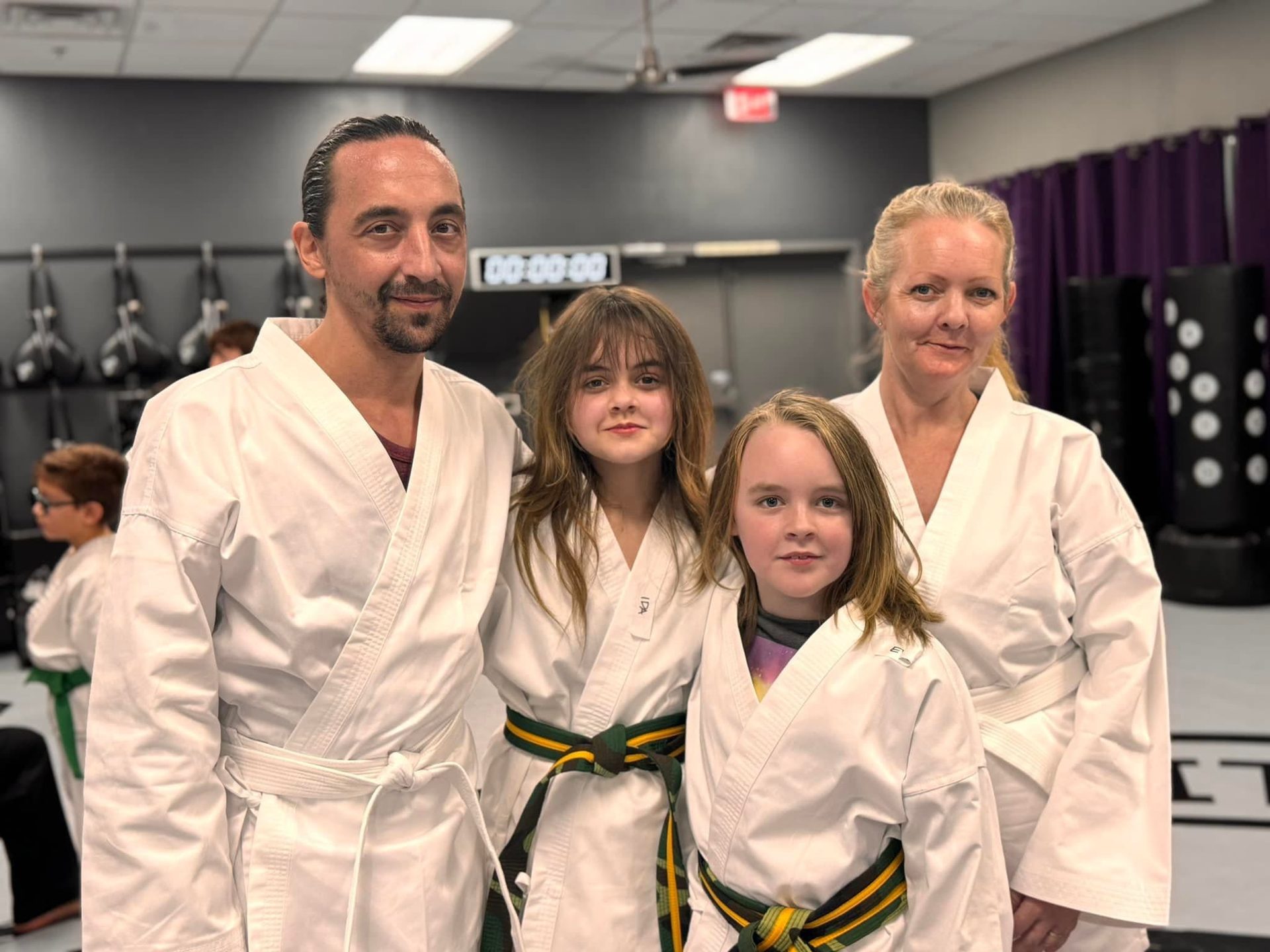
Family martial arts Las Vegas parents search for often reflects a familiar problem: everyone has activities, but very little of that time is spent together. One adult drives, another handles dinner, and the children move between places while the grown-ups watch. You may want something more connected without adding another complicated commitment.
Training together offers a different possibility. You can share the experience of being beginners, learning unfamiliar movements, and trying again when something feels awkward. That does not require everyone to have the same fitness level or the same reason for coming.
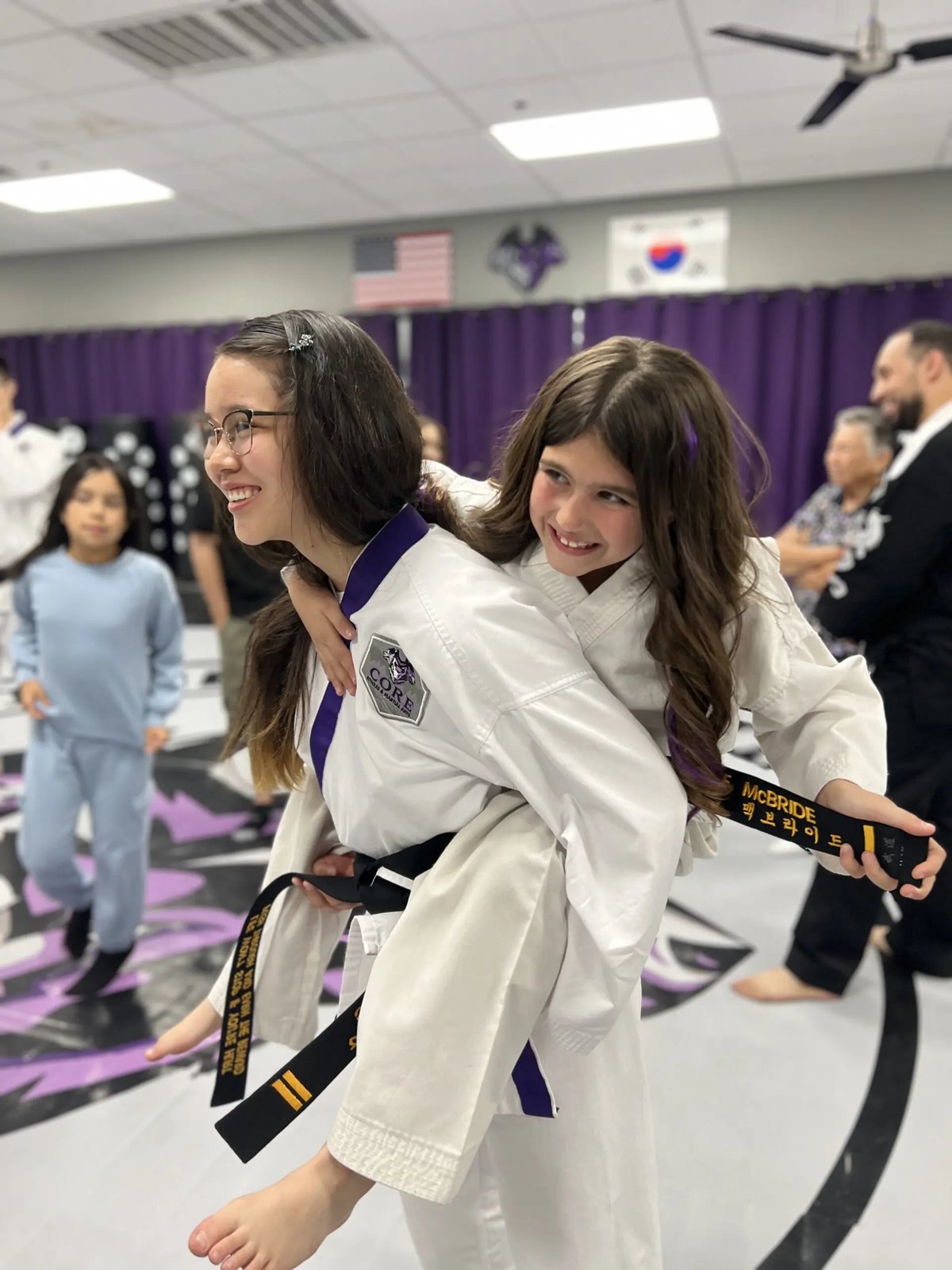
At CORE Fitness & Martial Arts in Henderson, the Family Program is for ages 6 and up, with kids, teens, and adults training in the same class. The academy is at 183 N Gibson Rd Ste 130, Henderson, NV 89014. For a Las Vegas household, the decision includes both the learning environment and the trip to get there.
This guide helps you explore that decision without pretending shared training solves every scheduling problem. Start by asking what you want more of in family life: active time, a common interest, or a chance to encourage each other away from screens. Then see whether the actual class supports that wish in a practical way.
Understand what training together means
CORE's Family Program is intentionally shared across generations. For children ages 6 and up, the academy describes family training rather than a separate kids class. That distinction matters if you picture dropping a child at a youth-only session while you do something else.
Training alongside your child does not mean turning yourself into their instructor. You are there to learn, listen to the coach, and work on your own next step. Keeping those roles clear can help the experience feel like a shared activity instead of another parent-managed assignment.
It also helps to separate a shared class from identical progress. A child may remember a movement faster, while an adult may find another part more comfortable. The opportunity is to support each other without turning differences in age or experience into a competition.
- Ask how beginners enter the Family Program.
- Explain who in your household is interested in participating.
- Discuss differences in age, comfort, and previous experience.
- Let the coach guide instruction while you focus on learning.
Preschoolers have a different option: Wolf Pups serves ages 3 to 5. Warrior serves ages 13 and up and emphasizes fitness, pad work, sparring, and self-defense. If you have children in several age groups, talk through the possibilities rather than assuming everyone can enter the same program. A good plan begins with the actual age guidelines, not an idealized picture of the whole household doing everything together.
Let your child see you learning
Many children mainly see adults doing things they already know how to do. Shared training can offer another view: a parent listening carefully, making an error, and asking for clarification. You do not have to pretend that learning is effortless to be a reassuring example.
Try to describe your own experience without making your child responsible for it. Saying that a movement took concentration is different from announcing that you are terrible at everything. Calm, specific language shows that a challenge can be ordinary rather than embarrassing.
The same principle applies when your child has a difficult moment. Give the coach room to teach, and avoid correcting from across the training space. Later, ask whether they want to talk about it instead of immediately launching into a detailed performance review.
- Replace comparisons with observations about your own effort.
- Ask for help when you need it, without apologizing for being new.
- Celebrate a family member's progress without claiming it as your success.
- Let an imperfect class remain one class, not a verdict on the activity.
There may be evenings when a child feels more enthusiastic than a parent, or the other way around. That does not automatically mean the plan is failing. Shared commitment works better when it leaves room for normal changes in energy and mood, while keeping expectations respectful. The point is to learn alongside each other, not to require everyone to enjoy every minute in exactly the same way.
Choose a routine that protects family time
A family activity is only helpful if it fits the household around it. Before signing up, think through work finishes, school pickup, homework, meals, and sleep. A program can be appealing and still be wrong for your current season if attendance makes the rest of the evening unmanageable.
Las Vegas families traveling to Henderson may use regional routes such as I-215 or I-515, also known as US-95, depending on where they start. Do not rely on a general claim about how close the cities are. Check the route to N Gibson Road around the time you would actually travel.
Ask CORE for current class options before building a plan. Then work backward from arrival and forward through the trip home. Include changing clothes, filling water bottles, and the ordinary delay of getting everyone out the door, not just the minutes spent driving.
- Agree on who handles transportation and what happens if work runs late.
- Plan a simple meal strategy for training evenings.
- Keep a small checklist for clothes and water.
- Leave some unscheduled time elsewhere in the week.
A shared class may reduce the feeling of separate activities pulling everyone in different directions. It does not eliminate the need for planning, especially when younger siblings are involved. Use the introduction to test the whole evening and discuss what feels easier or harder. A routine that works in ordinary life is more valuable than one that only works on your least busy day.
Look for coaching that respects every beginner
Adults sometimes hesitate because they feel unfit, uncoordinated, or worried about looking foolish beside their children. Kids can have the same concerns, even when they express them differently. A welcoming academy should give you room to ask how new students are introduced and supported.
During a visit, notice whether explanations are clear and whether feedback is useful. Look for guidance that helps a student understand what to change, rather than simply hearing that something was wrong. Respectful correction matters whether the beginner is a child, a teenager, or a parent.
CORE was founded in 2014, and Master Anthony Pyne co-founded the academy with Annie Kang-Drachen and Dario Drachen. Annie's published story includes starting her own martial arts journey after watching her son train. That background can be a helpful conversation starter for an adult wondering whether it is too late to begin.
- Ask what an adult beginner should expect during the introduction.
- Mention injuries or limitations and discuss participation before class.
- Observe how students with different experience levels receive guidance.
- Ask how the academy approaches a student who needs another explanation.
No instructor can promise that every movement will feel comfortable or that training suits every medical situation. If you have health concerns, get appropriate professional advice and share relevant information with the team. Starting thoughtfully is not a sign of weakness. It is a way to make the experience more useful and sustainable for the whole family.
Use shared progress without creating pressure
A common activity gives families something to talk about beyond logistics. You can ask which part required concentration, what was enjoyable, or what someone wants to try again. These conversations work best when they feel like curiosity rather than an assessment on the drive home.
In CORE's published family reviews, Brandi D. describes attending with her 6-year-old son for about ten weeks and finding new activities and lessons each time. Her experience illustrates the appeal of ongoing shared learning. It does not establish a timeline for your family's progress or guarantee the same response.
Another parent, Serge B., describes getting a workout while seeing his children develop as they progress. The useful takeaway is not that every family must pursue identical outcomes. An adult can value movement while a child values learning a skill, and both can enjoy being part of the same community.
- Let each participant name one personal reason for attending.
- Notice effort without comparing belt progress or ability.
- Keep home practice optional and guided by the academy's advice.
- Make room for conversation that has nothing to do with training.
Shared goals can be as simple as arriving prepared or encouraging each other through something unfamiliar. Avoid making the activity a test of family closeness. You can enjoy learning together and still have different interests outside the academy. The strongest reason to continue is that the experience supports your household, not that it produces a perfect picture of everyone always being enthusiastic together.
Make the introduction an informed decision
CORE's introductory offer is $29 for 2 weeks of classes plus a free T-shirt. That gives interested families a way to experience the environment before deciding what comes next. Ask how the offer applies to the people in your household rather than assuming any particular family total or enrollment arrangement.
Before beginning, ask for current class options, clothing guidance, and what the first visit involves. Also request the ongoing costs and terms that would apply after the introduction. Knowing the complete next step helps you assess the program calmly instead of making decisions around an initial advertised price alone.
CORE lists a rating of 4.8 stars across 74 Google reviews. Reviews can help you notice themes such as community and patient instruction, but your own visit is still important. Watch how staff respond to your questions, including practical ones about attendance and beginners.
- Confirm which household members meet the program's age guidelines.
- Ask how introductory enrollment works for each participant.
- Get ongoing pricing and requirements directly from the academy.
- Evaluate the drive and the class before committing to a longer routine.
After a few visits, invite each participant to share one positive and one concern. A child may love the instruction but dislike rushing from school, while an adult may need a different transportation plan. Those details are worth discussing with the team. An informed decision can be yes, not yet, or another option, without turning the introduction into an obligation.
Frequently Asked Questions
What ages can join the Family Program?
The Family Program is for ages 6 and up, with children, teens, and adults training together. Wolf Pups serves ages 3 to 5 separately. If your family spans those age groups, contact the academy to discuss realistic options rather than assuming everyone joins one class.
Do parents need martial arts experience?
You do not need to arrive already knowing the movements to ask about starting. Tell CORE that you are a beginner and discuss what participation involves. If you have a health concern or physical limitation, seek appropriate guidance before deciding how to take part.
Where do Las Vegas families travel for CORE?
CORE is at 183 N Gibson Rd Ste 130, Henderson, NV 89014. Check your actual route from home or work and ask for current class options. Travel conditions vary, so the academy's Henderson location should be part of your practical decision.
What does the introduction include?
The advertised introduction is $29 for 2 weeks of classes plus a free T-shirt. Ask how it applies to each interested family member and what ongoing enrollment would cost. Call (702) 434-8789 for details before planning your first visit.
If learning together sounds more rewarding than another evening on the sidelines, ask CORE about the Family Program and the $29 introduction, 2 weeks of classes plus a free T-shirt. Visit the Henderson academy, meet the team, and see whether shared training fits your family.
New Student Experience
Ready to See It In Person?
2 Weeks of Classes — $29
Keep Reading
Parent Guide
How to Choose a Martial Arts School in Henderson (5 Questions to Ask First)
Parent Guide
What's the Right Age to Start Martial Arts? A Henderson Parent's Guide
Birthday Parties
What Makes a Great Martial Arts Birthday Party in Henderson
Family Training