After school activities Green Valley parents consider can fill a calendar quickly, but a full calendar is not the same as a good afternoon. Your child may need movement, friendship, a creative outlet, or simply more space to decompress. The useful starting question is what would make this season of family life better.
Martial arts is one option, not the automatic answer for every child. Some children love learning through active repetition and clear instruction. Others would rather make music, play a team sport, create something with their hands, or spend unstructured time outside with family.
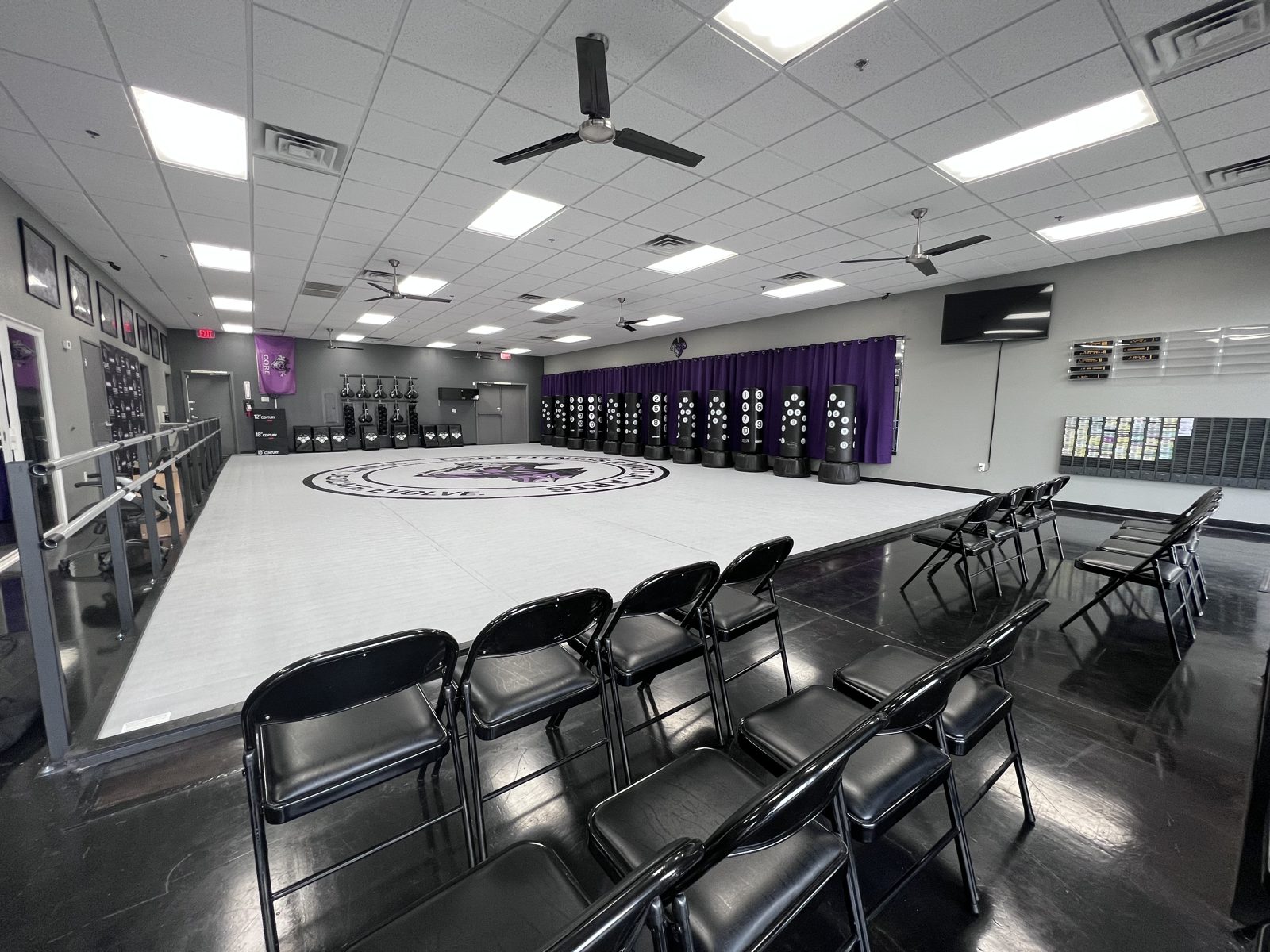
Green Valley is a Henderson community, and CORE Fitness & Martial Arts offers martial arts at 183 N Gibson Rd Ste 130, Henderson, NV 89014. Its programs are Wolf Pups for ages 3 to 5, Family for ages 6 and up, and Warrior for ages 13 and up. Birthday Parties are a separate offering for celebrations.
This guide compares choices honestly and explains how to evaluate martial arts without making unrealistic promises about grades, behavior, or confidence. Think of an after-school activity as a recurring learning commitment, not a substitute for childcare. Confirm actual class options with the academy, and build the rest of the afternoon around your child's needs rather than assuming an activity covers the whole gap after school.
Identify what your child needs after school
A child who sits through a demanding school day may welcome movement, but another may need quiet before joining any group. Neither response means they lack motivation. Ask what the afternoon currently feels like and watch for patterns across the week before choosing a new commitment.
Your own needs matter too. Transportation, work, siblings, and meal preparation influence what is possible, and it is reasonable to acknowledge those limits. The best activity on paper will not help much if reaching it creates a daily scramble that leaves everyone overwhelmed.
Try naming one main purpose for this choice. You might want a structured physical activity, a new social setting, or a chance to learn a skill over time. Avoid expecting one program to provide exercise, academic support, friendship, childcare, and a complete personality transformation all at once.
- Ask your child what they enjoy doing when nobody assigns it.
- Notice whether movement or quiet helps them reset after school.
- Identify the days that already feel most demanding.
- Choose one main goal before comparing activities.
If your child is old enough, invite them into the decision without making them solve the logistics. You can say that the family has room for one activity and explain which options are realistic. A small amount of choice can reveal genuine interest and prevent an adult's enthusiasm from becoming the only reason a child attends. Curiosity is a better starting point than pressure to become a particular kind of student.
Compare martial arts with team sports
Team sports can appeal to children who enjoy a shared game, common tactics, and the excitement of working toward a result together. Depending on the activity and provider, families may also need to consider games, practices, travel, or seasonal commitments. Ask the actual organization rather than assuming every sport follows the same pattern.
Martial arts offers a different blend of group participation and individual learning. Students can practice their own movements while sharing the class environment with others. That may appeal to a child who wants to be part of a group but prefers a goal that is not entirely tied to a team score.
Neither setting is automatically better for confidence or social development. The quality of instruction, the child's interests, and the emotional climate matter. A patient sports coach may be a wonderful fit, while an unappealing martial arts class may not be, regardless of the activity's general reputation.
- Ask whether your child enjoys games or prefers repeated skill practice.
- Compare actual attendance expectations for each option.
- Watch how adults respond to errors and frustration.
- Consider the full family calendar, including any travel or events.
If your child already enjoys a sport, martial arts does not need to replace it to be worthwhile. It may be something to consider in another season, provided the schedule leaves enough rest. More is not inherently better. A child who has time to recover and enjoy one commitment may gain more from it than from several activities competing for the same limited energy.
Compare martial arts with creative and quiet activities
Music, art, and other creative activities can offer expression, concentration, and the satisfaction of making something. A child drawn to sound, stories, or visual detail may find those experiences especially rewarding. There is no need to rank a physical activity above a creative one simply because movement is easier to see.
Martial arts may be a stronger match when your current priority is structured physical practice. It asks a student to listen, move, repeat, and respond to feedback in a group. Whether that feels energizing or tiring depends on the child, the instructor, and the rest of their day.
Quiet time also belongs in the comparison. Reading at home, playing freely, or taking an unhurried walk can be valuable parts of childhood without being paid programs. An open afternoon is not automatically a missed opportunity, particularly when a child already has a demanding week.
- Choose creative exploration when making or performing sparks interest.
- Consider martial arts when guided movement and skill practice appeal.
- Keep some downtime when the week already feels crowded.
- Ask your child what they would willingly return to next week.
A family can value all these experiences without enrolling in everything at once. You might try one option now and revisit another later. That approach makes it easier to notice what your child actually enjoys instead of interpreting fatigue as a lack of commitment. The best comparison is between realistic alternatives, including rest, not between an idealized version of martial arts and a disappointing version of every other choice.
Understand what CORE actually offers
At CORE, Wolf Pups serves ages 3 to 5 through short, playful activities focused on listening, coordination, and confidence. That can be relevant for a preschool family seeking an early group experience, even though their afternoon may not follow the same pattern as an older school-age child's.
For ages 6 and up, the Family Program brings children, teens, and adults into the same class. CORE does not describe a separate kids class for this age range. If your goal is an activity you can share instead of another sideline commitment, that structure is worth exploring directly.
Warrior is for ages 13 and up and includes fitness, pad work, sparring, and self-defense. Teenagers should have a voice in whether that focus interests them. Ask how a beginner starts and what participation involves before assuming an experienced student's training reflects a newcomer's first visit.
- Match the age group before evaluating the rest of the program.
- Tell the team what kind of afternoon routine you need.
- Confirm current class options instead of assuming immediate post-school availability.
- Keep Birthday Parties separate from a recurring training decision.
The academy was founded in 2014, and its co-founders include Master Anthony Pyne, Annie Kang-Drachen, and Dario Drachen. That history gives you background, not a reason to skip your own evaluation. A useful introduction still needs to answer whether the teaching, format, and timing suit your particular child. Choosing carefully is more important than choosing quickly because a new school term or busy season has begun.
Look for evidence of a supportive learning environment
A good activity comparison includes the adults who teach it. During a visit, watch whether directions are understandable and corrections give a child a practical next step. Notice how the instructor responds when someone loses focus or hesitates rather than judging only the most confident students.
CORE lists 4.8 stars across 74 Google reviews. In a published Wolf Pups review, Wade P. says his 3-and-a-half-year-old daughter was loving the experience and praises the instructors. That is a useful individual account, but it should lead you toward observation rather than a promise that your child will respond identically.
Another published parent review, from Mari M., describes noticing a difference after her children began attending. Families may notice changes at different rates or in different areas, so avoid borrowing another household's timeline. Your own questions should focus on what happens in class and how your child experiences it.
- Ask what a beginner will be invited to do first.
- Observe how the coach handles a confused or reluctant student.
- Listen for feedback that is specific rather than embarrassing.
- Ask your child what felt comfortable and what felt difficult afterward.
Martial arts can offer practice in persistence and following directions, but it cannot guarantee better school performance or resolve every social concern. Keep realistic expectations and any existing support in place. The question is whether this activity adds something useful to your child's week, not whether it can take responsibility for every challenge they face outside the academy.
Build an afternoon that you can repeat
Start with pickup, food, and travel before adding an activity to the calendar. A hungry child rushing directly from school may have a different experience from the same child arriving with a snack and time to settle. Small practical choices can influence whether the class gets a fair trial.
For Green Valley families, check the trip to CORE's N Gibson Road address from your actual starting point. Travel from school may differ from travel from home. Include the return journey and ask what the rest of the evening will look like, especially when homework or an early bedtime matters.
CORE advertises $29 for 2 weeks of classes plus a free T-shirt. Use that introduction to test both the program and the surrounding routine. Ask for current class options, ongoing pricing, and requirements before continuing, because the introductory offer is not the complete long-term cost picture.
- Plan food and water before leaving for class.
- Decide who handles transportation if the usual driver is unavailable.
- Leave space for dinner, schoolwork, and recovery afterward.
- Review the experience with your child before adding more commitments.
If the routine does not work, first identify the problem. The activity may be appealing while the travel or timing is not, and sometimes a different available option can help. Sometimes the best choice is to wait. A sustainable afternoon is one your household can repeat without constantly sacrificing sleep, calm, or the simple pleasure of spending a little unstructured time together.
Frequently Asked Questions
Is martial arts a good after-school activity?
It can be when a child enjoys guided movement and the program fits their age, needs, and routine. It is not automatically better than sports, creative activities, or downtime. Watch a class, discuss your goals, and pay attention to your child's experience before deciding.
Does CORE provide after-school childcare or pickup?
Do not assume that a martial arts class includes childcare, school pickup, or supervision for the full afternoon. The programs described here are training options. Contact CORE directly to confirm class arrangements and plan separate care or transportation wherever your household needs it.
What age groups does CORE teach?
Wolf Pups is for ages 3 to 5, the Family Program is for ages 6 and up, and Warrior is for ages 13 and up. Family classes include children, teens, and adults together. Ask about the setting that best matches your child's current stage and interests.
How can Green Valley families try CORE?
Call (702) 434-8789 to discuss current options at 183 N Gibson Rd Ste 130, Henderson, NV 89014. The introductory offer is $29 for 2 weeks of classes plus a free T-shirt. Ask what to expect and what ongoing enrollment would involve.
If structured movement sounds like the right addition to your child's week, ask CORE about Wolf Pups or the Family Program and the $29 introduction, 2 weeks of classes plus a free T-shirt. Explore Warrior for an interested teen age 13 or older, and choose a routine that leaves room for the rest of family life.
New Student Experience
Ready to See It In Person?
2 Weeks of Classes — $29
Keep Reading
Parent Guide
How to Choose a Martial Arts School in Henderson (5 Questions to Ask First)
Parent Guide
What's the Right Age to Start Martial Arts? A Henderson Parent's Guide

Birthday Parties
What Makes a Great Martial Arts Birthday Party in Henderson
Family Training